Why Driftwood exists.
After nearly a decade working with some of the world's largest investment managers and advisory firms, one difference kept standing out. It wasn't the investments. It was how decisions were made.
Large institutions rarely make important financial decisions in isolation. Investment teams, tax specialists, legal counsel, and operations all work from a common framework. Important decisions are expected to consider one another before they're made.
Individual families often have equally capable professionals. They simply aren't organized the same way.
That realization became Driftwood.
Over my career I saw wealth from several very different vantage points: inside a global asset manager, alongside some of the country's largest advisory firms, and across the table from families making real decisions. Each seat showed a different part of the system. Together, they revealed the same pattern.
At Dimensional Fund Advisors, I expected to spend most of my time thinking about portfolios and markets. Instead, I found myself paying attention to something else. The strongest firms weren't distinguished only by their investment philosophy. They were distinguished by how consistently decisions moved across the organization. Investments, taxes, operations, and planning weren't separate conversations. They were parts of the same system.
Later, working directly with families, the conversations became less about investment theory and more about real life: retirement, concentrated stock, trusts, business sales, estate plans, and the decisions that connected them. The professionals were rarely the problem. Most were thoughtful and genuinely cared. Each was responsible for a discipline. Almost nobody was responsible for the connections between them.
Early in my career, I worked on a project identifying tax-inefficient funds held in taxable portfolios. The lesson wasn't really about taxes. It was about visibility. Once people could see the consequence of a structural decision, changing course became obvious. Small structural decisions, repeated consistently over decades, often matter more than dramatic investment ones. Over time I saw the same pattern everywhere: important financial decisions interact, and very few people are responsible for making sure they interact well.
I didn't set out to build a different investment firm. I set out to solve a problem I kept seeing from every seat I occupied.
The families we work with aren't looking for more complexity. They're looking for confidence. Confidence that when something important happens (a retirement, the sale of a business, a move, a new child, the loss of a parent, a change in the tax law) someone has already thought through how each decision affects the others. Someone has already connected the dots. That's the work.
Our job isn't to make every financial decision for you. It's to make sure your important financial decisions make sense together.
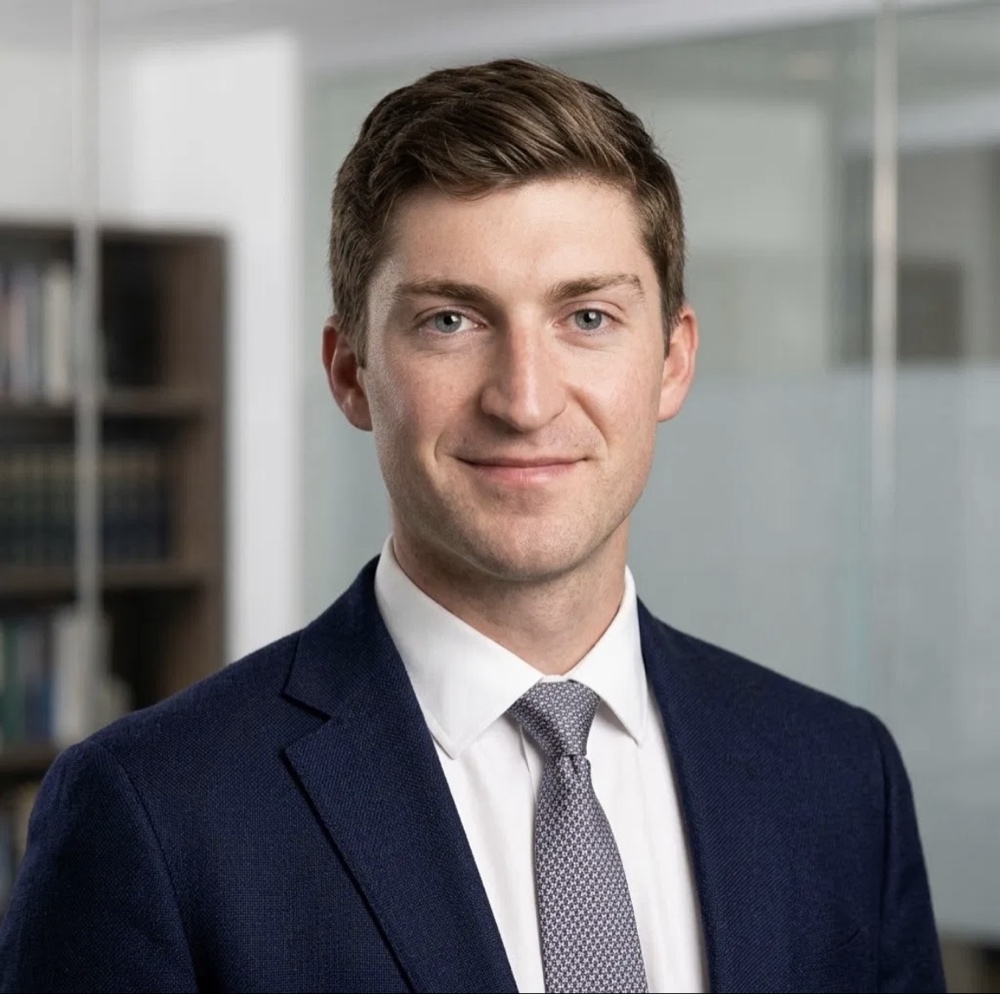
Alec Messino
Founder
Alec founded Driftwood after working across both institutional investment management and private wealth advisory. He saw wealth from two very different vantage points. First, helping many of the country's leading advisory firms build evidence-based investment programs. Then, working directly with families navigating the practical realities of investing, taxes, estate planning, and long-term decisions.
The same conclusion kept emerging. Financial decisions rarely break down because individual professionals lack expertise. They break down because important decisions aren't connected. Driftwood was built to solve that problem.
"I didn't want to be one more specialist at the table. I wanted to be the one accountable for how the whole table fits together."
Markets will always be uncertain. No advisor can eliminate that.
But a well-designed financial system can make sure your most important decisions reinforce one another, instead of quietly working against one another.